The CBC exists to turn great science into successful, sustainable companies that can scale right here in the Midwest. We’ve built a network of world-class universities, including Northwestern University, the University of Chicago, the University of Illinois Chicago, and other Midwest institutions, to source the best science and accelerate the path from academic lab to patient benefit.
Today, we are operating as a nonprofit venture studio that brings industry discipline to university research. We identify high-potential programs, apply milestone-based funding, and embed experienced operators to build investable biotech companies rooted in Illinois.
CBC History
The Chicago Biomedical Consortium (CBC) was founded in 2001 through the vision and philanthropy of Dan Searle, who believed that collaboration among Chicago’s leading universities, Northwestern University, the University of Chicago, and the University of Illinois Chicago, could drive scientific progress beyond what any one institution could achieve alone. Backed by The Chicago Community Trust, faculty leaders formed a Strategic Planning Group to create an organization dedicated to breaking down institutional barriers and uniting researchers across the city.
The CBC’s first major initiative in 2003—a shared research infrastructure project—set the tone for its mission of collaboration, resulting in the establishment of the Proteomics and Informatics Service Facility at UIC in 2005. With consistent and visionary support from the Searle Funds at The Chicago Community Trust, the CBC evolved through multiple funding phases, each deepening its impact on Chicago’s scientific community.
-
 Phase 1
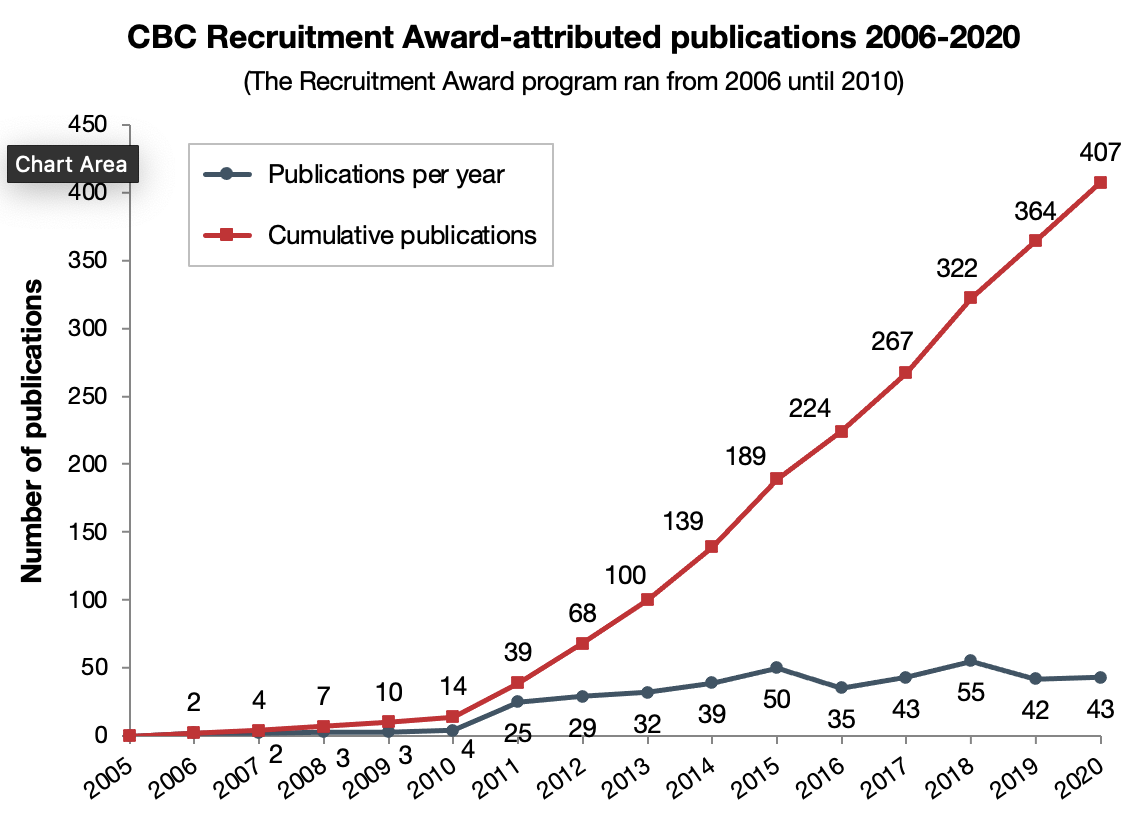
In 2006, the CBC received a grant of $5 million per year from the Searle Funds at The Chicago Community Trust, providing operating funds for 2006 through 2010. During this Phase 1 period, the CBC made awards in a variety of program areas. While most of the awards are designed to foster collaborative research, CBC also supported faculty recruitment and a variety of educational programs. All awards were made based on scientific merit, innovation, and impact.
-
 Phase 2
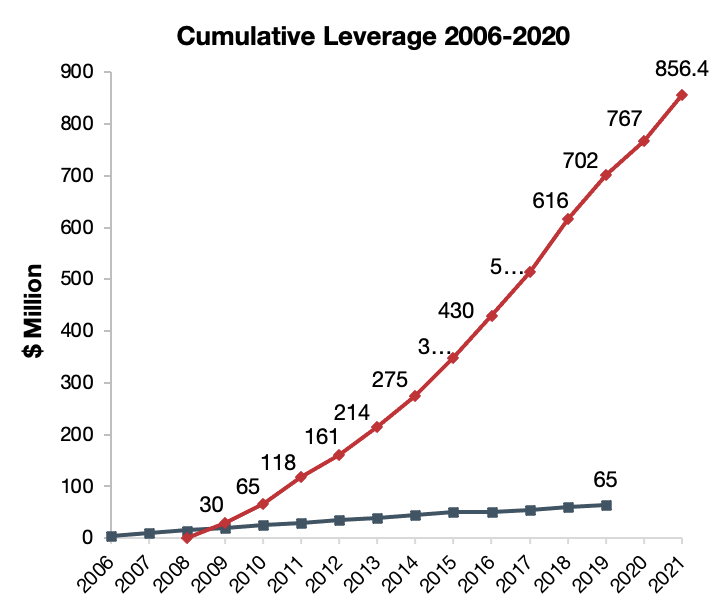
In 2017, under Executive Director Jim Audia, the CBC entered Phase 2 (2017-2021), shifting its focus toward translational research and entrepreneurial training to strengthen connections between academia and industry. This phase emphasized transforming scientific discoveries into real-world biomedical solutions and strengthening Chicago’s growing biotech ecosystem.
-
 Phase 3
In 2021, Michelle Hoffmann became the CBC’s Executive Director, bringing extensive experience in innovation strategy and industry engagement. Under her leadership, the CBC entered Phase 3 (2021-2025), emphasizing commercialization support for faculty and trainees, inclusive ecosystem development, and expanded collaboration across Illinois institutions. During this time, CBC programming expanded to provide professors at Chicago universities with deep market, technical, and clinical analysis, as well as project management, seed funding, and introductions to venture capital and networks of expertise critical to the success of their bioventure. The new CBC process incorporates the CBC’s Venture Board, an exclusive board of industry and venture capital groups, which provides feedback and guidance to the CBC’s assessment of faculty’s early commercialization strategies.
-
 CBC-HITES
A major milestone came in 2023, when the CBC secured a $4 million NIH Research Evaluation and Commercialization Hubs (REACH) grant to launch the CBC Hub for Innovative Technology and Entrepreneurship in the Sciences (CBC-HITES). In partnership with the Searle Funds and the Walder Foundation, CBC-HITES now unites nine universities including Northwestern University, the University of Chicago, the University of Illinois Chicago, the Discovery Partners Institute, the Illinois Institute of Technology, Rush University, Loyola University, Rosalind Franklin University, and Northern Illinois University, along with 27 industry and community partners to help researchers commercialize scientific innovations.
As of 2024, the CBC has made **413 awards**, catalyzing nearly **$1 billion** in follow-on funding and propelling Chicago to the forefront of biomedical innovation. Central to this success is the Entrepreneurial Fellowship (EF) Program, which trains a diverse new generation of biotech leaders. By providing fellows with hands-on experience in commercialization, exposure to venture capital, and mentorship from industry experts, the CBC ensures that Illinois’s biotech ecosystem can sustainably support the companies that it is building and reflects the diversity and creativity of its community.
The CBC’s enduring success rests on the vision and generosity of the Searle Funds at The Chicago Community Trust, alongside critical support from the NIH, Walder Foundation, and new institutional and community partners. Together, we are advancing the CBC’s mission to build a collaborative, inclusive, and world-class bioinnovation ecosystem—one that positions Illinois as a national leader in biomedical discovery and entrepreneurship.